From Mole Mapping to Melanoma Treatment: What Happens After a Suspicious Spot Is Found
Discovering a suspicious spot on your skin can feel overwhelming, but understanding the step-by-step process from mole mapping through to melanoma treatment can help take some of that uncertainty away. In Queensland, where sun exposure is intense year-round, residents of Mackay and surrounding communities face a particularly elevated risk of skin cancer. Knowing what to expect at each stage means you can act quickly and confidently if a concern arises.
What Is Mole Mapping and Why Does It Matter?
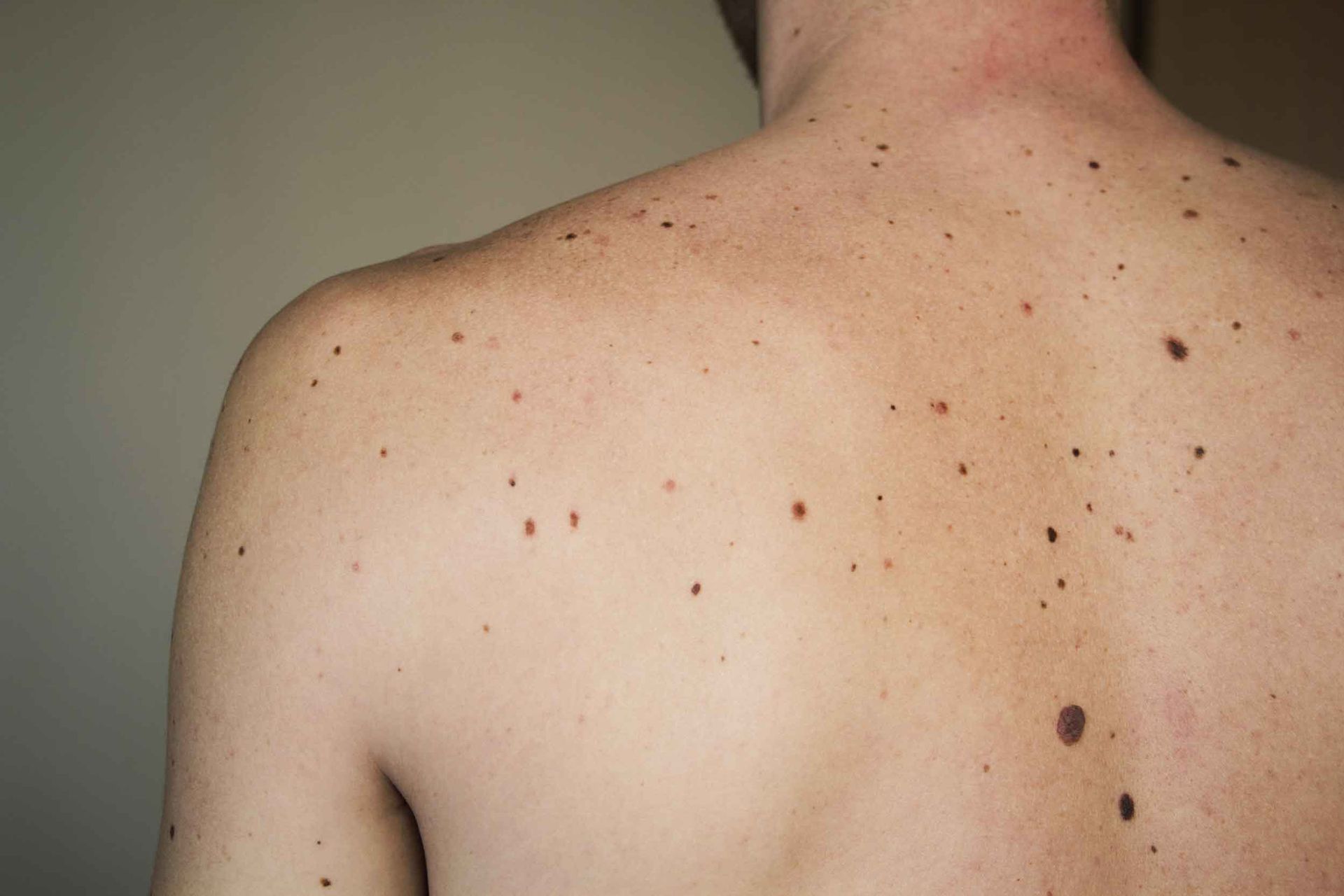
Mole mapping gives doctors a detailed baseline record of your skin. It involves a full-body skin examination combined with specialised imaging technology that captures high-resolution photographs and digital scans of moles and lesions across your entire body. These images are then stored so that any changes can be compared at your next visit.
In the Mackay region, clinics use advanced tools such as computerised dermoscopy systems that allow doctors to examine moles at a microscopic level. This technology can reveal subtle structural features invisible to the naked eye, which may indicate early cell changes before a spot becomes visibly concerning.
Mole mapping is particularly valuable if you have a large number of moles, a personal or family history of skin cancer, or fair skin that burns easily under the harsh North Queensland sun. Rather than waiting for a worrying spot to appear, regular mapping allows suspicious changes to be caught early, when outcomes are generally much better.
What Happens When a Suspicious Spot Is Found?
A suspicious spot triggers a clear and structured clinical process. The following steps outline what typically occurs after a doctor identifies something that requires further attention.
Step 1: Dermoscopic Assessment
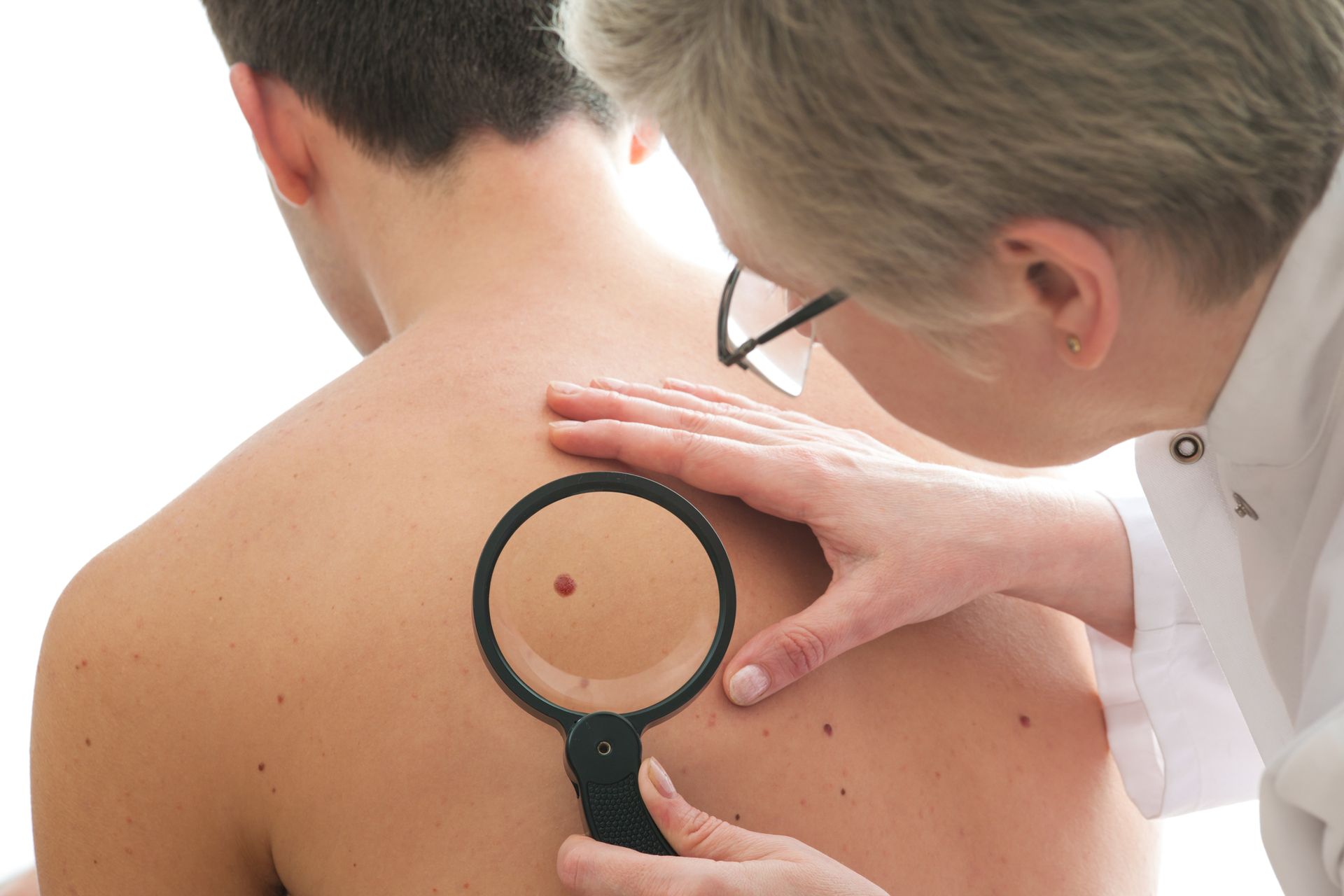
The doctor will first examine the spot closely using a dermoscope, a hand-held magnifying device with polarised light. This allows a detailed view of the spot's colour, border, symmetry, and internal structures. The ABCDE guide is commonly used here: Asymmetry, Border irregularity, Colour variation, Diameter, and Evolution.
Step 2: Biopsy
If the dermoscopic assessment raises concern, a biopsy will usually be taken. This means removing a small sample of the suspicious tissue, which is then sent to a pathology laboratory for analysis. Results can typically take several days to return. A biopsy is the only way to confirm whether a spot is cancerous, pre-cancerous, or benign.
Step 3: Diagnosis and Staging
Once the pathology results arrive, your doctor will discuss the findings with you. If melanoma is confirmed, the next step is to determine the stage of the cancer. Staging describes how deep the melanoma has grown and whether it has spread beyond the original site. This directly guides which type of melanoma treatment is most appropriate.
Step 4: Melanoma Treatment Options
Treatment depends on the stage and location of the melanoma. For early-stage melanoma, surgical excision is the most common approach. The doctor removes the melanoma along with a margin of healthy surrounding skin. This is often carried out as a minor procedure under local anaesthetic.
For more advanced cases, additional treatments may be recommended. These can include wider surgical excision, sentinel lymph node biopsy to check whether cancer cells have spread, or referral to a specialist oncologist for further management. Advances in immunotherapy and targeted drug therapies have also significantly improved outcomes for patients with later-stage melanoma.
Accessing quality melanoma treatment in Mackay means patients in the region do not necessarily need to travel far for initial assessment, diagnosis, and minor surgical procedures. Early-stage cases can often be managed locally by experienced skin cancer doctors.
How Can You Reduce Your Risk Going Forward?
Ongoing skin surveillance is an essential part of life after a melanoma diagnosis. Your doctor will recommend a schedule of follow-up checks, which may be more frequent in the years immediately after treatment. Continued mole mapping allows any new or changing spots to be identified as early as possible.
Sun protection habits are equally important. The UV index in Mackay, QLD, regularly reaches extreme levels, so wearing SPF50+ sunscreen, protective clothing, and a broad-brimmed hat every day can meaningfully reduce cumulative skin damage. Avoiding peak UV hours between 10am and 3pm is also recommended.
For patients who have completed melanoma treatment, lifestyle adjustments and regular check-ups together form the foundation of long-term skin health.
Book Your Skin Check at Smart Scan Skin Cancer Clinic
Taking action now is the single most important thing you can do for your skin health. Smart Scan Skin Cancer Clinic, serving Mackay and surrounding areas including Sarina and Mount Pleasant, offers comprehensive skin cancer checks and expert assessment by doctors with post-graduate skin cancer qualifications.
Whether you have noticed a new spot, a mole that has changed, or simply have not had a check in a while, early review can make all the difference. Call the clinic today on (07) 4942 9912 to book your appointment, or contact the team online to find a time that suits you.
Read reviews and learn more about Smart Scan Skin Cancer Clinic on Google.